Best bank accounts for digital nomads in 2026
Best for USD and EUR client payments in 2026: Moneyspace; best for broader currency needs: Wise. Best for app-based travel spending: Revolut; best for marketplace payouts: Payoneer—the right choice depends on how you get paid, where you live, and how you spend.
TL;DR
- Moneyspace suits digital nomads receiving USD and EUR through ACH, wire and SEPA; it is not a bank.
- The best bank account for digital nomads must fit residency, client payments and everyday spending—not just travel.
- Wise suits broader currency needs; Revolut suits app-based spending; Payoneer suits supported marketplace payouts.
- Check country eligibility, payment instructions and withdrawal methods before changing where clients send money.
Why this matters
Getting paid and spending abroad are different jobs. A service that receives a client's USD payment isn't automatically the right place for your grocery purchases, accommodation payments or emergency savings.
For digital nomads outside the US and EU, access comes first. A provider's currency support doesn't establish that it accepts your residence, business structure or intended payment activity.
Choose your payment workflow before choosing your provider. In 2026, your shortlist should distinguish traditional banking from payment services that provide account details. The first option below is a payment service, not a bank.
What makes the best account for digital nomads?
Use these criteria to assess the shortlist before opening anything:
- Residence eligibility: Confirm that the provider supports your actual residence and, where relevant, your business registration. Travel plans don't replace residence requirements.
- Payment compatibility: Match your client's payment method to the account details you receive. USD support alone doesn't establish ACH compatibility.
- Account ownership: Check whose name appears on the receiving details. Clients and platforms can have their own beneficiary-name requirements.
- Spending access: Separate receiving payments from card purchases, cash withdrawals and local bill payments. Decide which functions you actually need.
- Transfer visibility: Look for a fee preview, recipient review and clear payment status. Check currency conversion separately from the payout.
- Operational fit: Review individual versus business access, transaction limits, verification requirements and team permissions.
A useful 2026 comparison starts with those requirements—not with a provider's longest feature list. Eliminate options that fail a necessary requirement before comparing secondary conveniences.
Digital nomad accounts at a glance
These are use-case recommendations, not interchangeable banking products. Confirm current eligibility and the precise features offered to your profile before applying.
| Option | Best for | Standout capability | Key limitation or check |
|---|---|---|---|
| Moneyspace | USD and EUR client payments | Dedicated details in your own name; ACH, wire and SEPA | Only USD and EUR; residence and payment eligibility need confirmation |
| Wise | Broader currency needs | Holding, converting and transferring supported currencies | Receiving details and other features depend on eligibility |
| Revolut | App-based travel spending | Card spending and money management in one app | Residence eligibility and plan-specific conditions matter |
| Payoneer | Marketplace payouts | Receiving business payments from supported platforms | Platform compatibility doesn't establish suitability for everyday spending |
The table deliberately separates receiving, conversion and spending. If your work and travel require different tools, don't force them into one account merely to reduce the number of apps you use.
1. Moneyspace: best for USD and EUR client payments
Get dedicated USD and EUR account details in your own name, rather than a shared payment reference. Receive USD through ACH or wire and EUR through SEPA, exchange USD/EUR inside the account, and pay out through supported ACH, wire and SEPA routes.
This fits freelancers, remote workers and contractors paid by US and European clients. Businesses can also use team roles and manage several companies under one sign-in. Account details are provided through a licensed partner after verification; the service is not a bank.
Moneyspace pros:
- Your own named USD and EUR details help you give clients specific receiving instructions.
- One online verification process opens access to both currencies, subject to approval.
- Fees appear before confirmation, and payouts have live status updates.
- Owner, admin, operator and view-only roles separate team responsibilities.
Moneyspace cons:
- Currency coverage is limited to USD and EUR.
- Individual payout limits require attention when invoices are large or payments cluster together.
- The payment capabilities described here don't establish a complete solution for travel spending.
Individuals have a $10,000 or €10,000 limit per payout and a $50,000 or €50,000 monthly limit. Businesses have a $100,000 or €100,000 limit per payout and no monthly limit.
Incoming ACH usually takes 1–3 business days. Incoming wire and SEPA payments usually arrive within a business day; payouts usually take 1–2 business days. Treat these as usual timings, not deadlines.
Best for: Nomads whose clients pay in USD or EUR and who need named receiving details plus supported payouts.
Verdict: Buy for the USD/EUR payment workflow; check eligibility and limits before switching invoices.
2. Wise: best for broader currency needs
Wise provides services for holding, converting and transferring supported currencies. It belongs on your shortlist when your payment needs extend beyond USD and EUR.
Start with your actual currency routes. Receiving one currency, holding another and spending a third are separate requirements; confirm each rather than relying on the general label of a multi-currency account.
Wise pros:
- Currency conversion and international transfers are central to the service.
- Supported currency balances can help organize income and planned payments.
- Personal and business offerings provide different starting points for different activities.
Wise cons:
- Account details, card access and other features depend on your eligibility.
- A supported currency doesn't establish that every receiving method is supported.
- Personal access doesn't establish that your business activity qualifies for the corresponding business service.
For a freelancer, the practical question is whether the receiving details match the client's payment process. For a business owner, add company eligibility and supplier payout requirements to that check.
Don't open a broader-currency service merely because you visit several countries. Travel destinations and payment currencies aren't the same thing. If every client pays USD and your expenses are in EUR, evaluate that specific route first.
Best for: Nomads who need to manage supported currencies beyond USD and EUR.
Verdict: Buy when broader currency coverage solves a documented payment need.
3. Revolut: best for app-based travel spending
Revolut combines app-based money management with card spending for eligible customers. Its place in this comparison is the spending side of nomad life: paying for purchases and managing money while traveling.
Start with residence eligibility, then examine the features attached to the relevant account and plan. Don't treat the app's presence in a destination as proof that you can open an account there.
Revolut pros:
- Card spending and account management sit within the same app.
- Currency exchange is part of the product offering.
- Spending tools make it relevant to daily travel expenses, not only client receipts.
Revolut cons:
- Opening eligibility depends on supported residence requirements.
- Plan conditions require a closer reading than a general feature summary provides.
- A spending-focused choice still needs a separate check for client payment compatibility.
Before choosing it as your main work account, confirm how your clients would pay you. Check whether the appropriate personal or business product supports the activity, receiving details and currency route you need.
For travel spending, review card access, cash withdrawal conditions and the process for replacing a lost card. Those checks matter more to a stranded traveler than a feature they rarely use.
Best for: Eligible nomads prioritizing app-based card spending alongside currency management.
Verdict: Buy for the spending workflow after confirming residence and plan conditions.
4. Payoneer: best for marketplace payouts
Payoneer focuses on cross-border business payments, including payments from supported marketplaces and platforms. It deserves attention when a platform—not an individual client—determines your payout options.
Check your platform's current payout settings first. Then confirm the account type, receiving method and destination you need within Payoneer.
Payoneer pros:
- Marketplace and platform payouts are a central use case.
- Business-payment tools suit freelancers and online sellers evaluating work-related receipts.
- Receiving and withdrawing business funds can form a connected payment workflow.
Payoneer cons:
- Marketplace compatibility must be checked for your specific platform and profile.
- A business-payment service isn't automatically a substitute for everyday personal banking.
- Receiving a payout doesn't establish that your preferred withdrawal route is supported.
A marketplace seller should follow the money from platform payout to final withdrawal. A direct-client freelancer should instead start with the client's payment method and beneficiary requirements.
Don't choose Payoneer solely because another freelancer uses it. Their marketplace, residence and withdrawal destination can differ from yours. The complete route matters more than the provider name.
Best for: Freelancers and sellers whose supported marketplaces offer a suitable Payoneer payout route.
Verdict: Buy when your platform-to-withdrawal route is confirmed; skip it as an unexamined default.
How this ranking works
The 2026 ranking prioritizes payment compatibility, named receiving details, currency needs, spending access and operational controls. Each recommendation owns a different job; the order isn't a claim that every reader should choose the first option.
The first provider's product details, limits and usual timings come from client-supplied information dated October 26, 2026. Other entries describe core product categories rather than promising specific account features for every country.
Eligibility outranks features. A provider that doesn't support your residence or business activity isn't a usable recommendation, regardless of its position here.
Set up your payment route before changing invoices
Confirm eligibility
Use your actual residence and business details. Check whether you need an individual or business profile, and confirm that your intended activity fits the provider's requirements.
Match payment details
Ask clients whether they pay by ACH, wire, SEPA or a platform payout. Compare that answer with the exact receiving instructions issued to you, including the beneficiary name and currency.
Complete verification
Submit the requested identity or business information. Don't tell clients to redirect payments until verification is complete and the relevant details are available to you.
Review payout
Check the recipient, destination, currency, fee preview and applicable limits. Keep an alternative way to pay essential expenses while a transfer is processing.
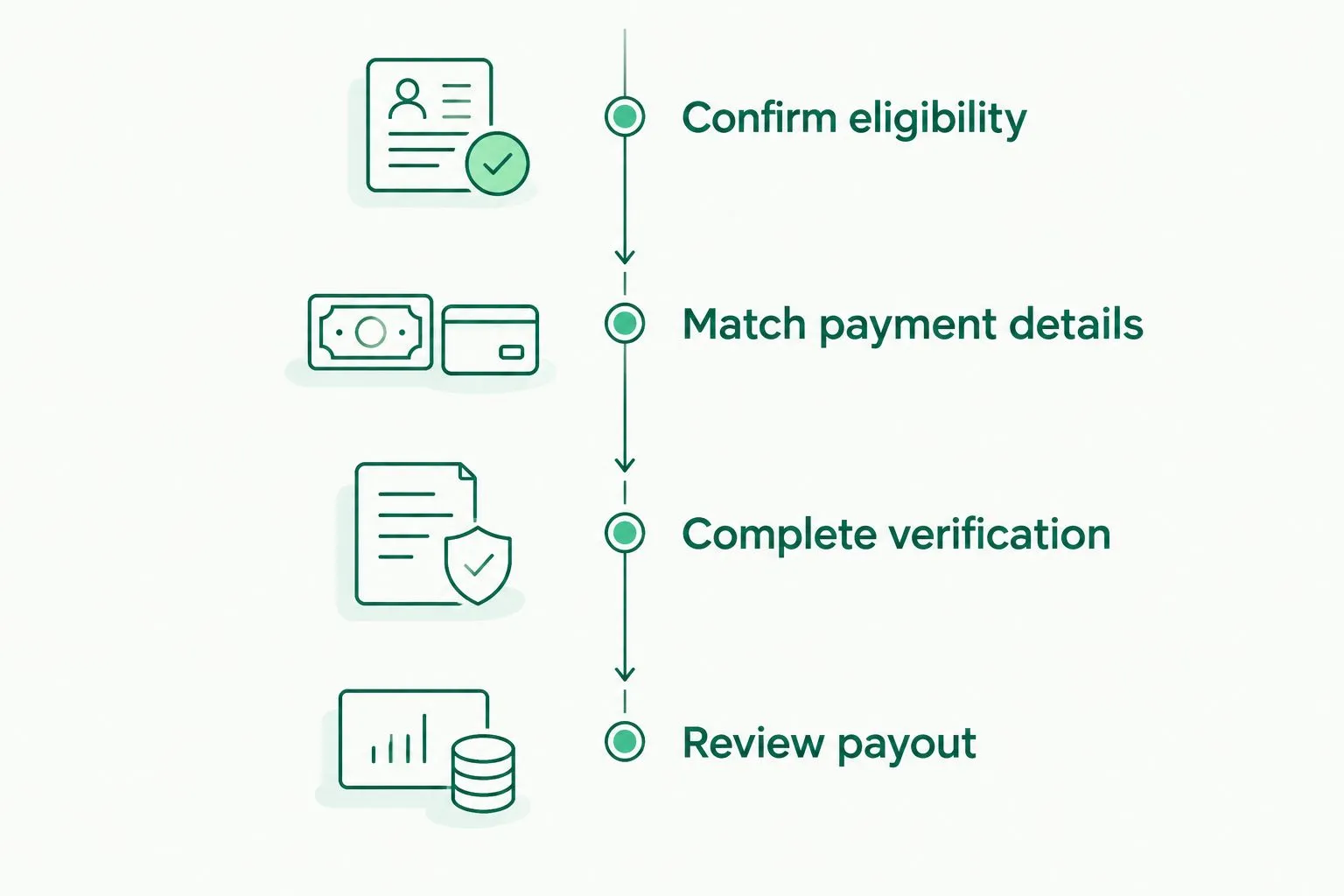
Confirm the complete payment route before changing your invoice instructions.
Your first successful receipt doesn't validate every future payment route. Repeat the relevant checks when a client changes currency, payment method or paying entity.
Open an account
Get your own USD and EUR account details after verification. Check eligibility before redirecting payments.
Which account should you choose?
For USD and EUR client receipts, start with the first option's named receiving details and supported payment methods. Choose Wise for broader currency requirements, Revolut for app-based spending, or Payoneer when a supported marketplace determines the payout route.
If you're undecided, write down your client's currency, payment method and your final spending destination. That short description turns an open-ended search into a checkable requirement.
For your 2026 setup, keep work receipts and essential spending needs distinct. A payment service can solve getting paid without replacing every function you expect from a traditional financial institution.
FAQ
What's the best bank account for digital nomads?
The best choice depends on residence eligibility, client payment methods and spending needs. Compare the full route from receiving income to paying expenses rather than choosing by travel features alone.
Is Moneyspace a bank?
No, Moneyspace is not a bank. It provides dedicated USD and EUR account details through a licensed partner after verification.
Can digital nomads outside the US and EU get USD and EUR account details?
Access depends on the provider's country eligibility and verification requirements. A service targeting international customers doesn't establish approval for every residence or business structure.
Is Wise better than Revolut for digital nomads?
Wise is the stronger starting point for comparing broader currency needs; Revolut is the spending-focused option in this shortlist. Confirm the specific features available to your residence and account type before choosing.
Should I choose Payoneer for freelance payments?
Choose Payoneer when your supported marketplace or client payment route fits its business-payment services. Confirm the withdrawal destination as well as the receiving method.
Do USD account details always support ACH payments?
No, USD denomination alone doesn't establish ACH support. Use the provider's receiving instructions to confirm the payment method, routing details and beneficiary name.
Can I use a personal account for my company?
Don't assume personal access permits company activity. Confirm business eligibility and use the appropriate profile for the entity receiving or sending the payment.
One last thing
Check the beneficiary name before sending your next invoice. A routing number or IBAN isn't the complete instruction set; the name and payment method matter too.
Save the provider-issued receiving instructions and share them accurately. That small administrative step is more useful than opening another account without a defined purpose.